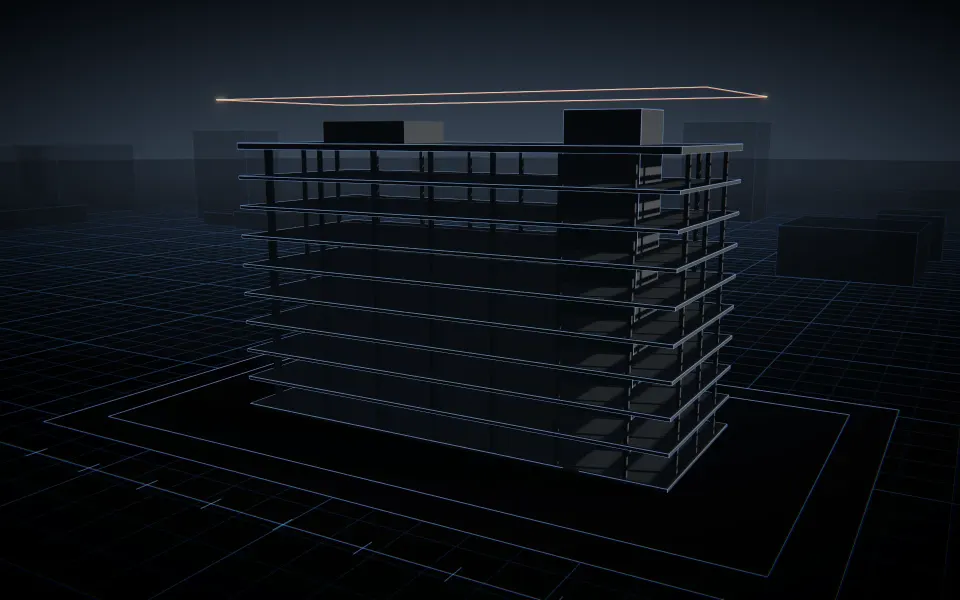
Engineering 1 min read
Building on salt: foundations and durability on Kuwait’s coast
Chlorides and sulphates in coastal ground can halve the life of ordinary concrete. Durability has to be designed, not hoped for.
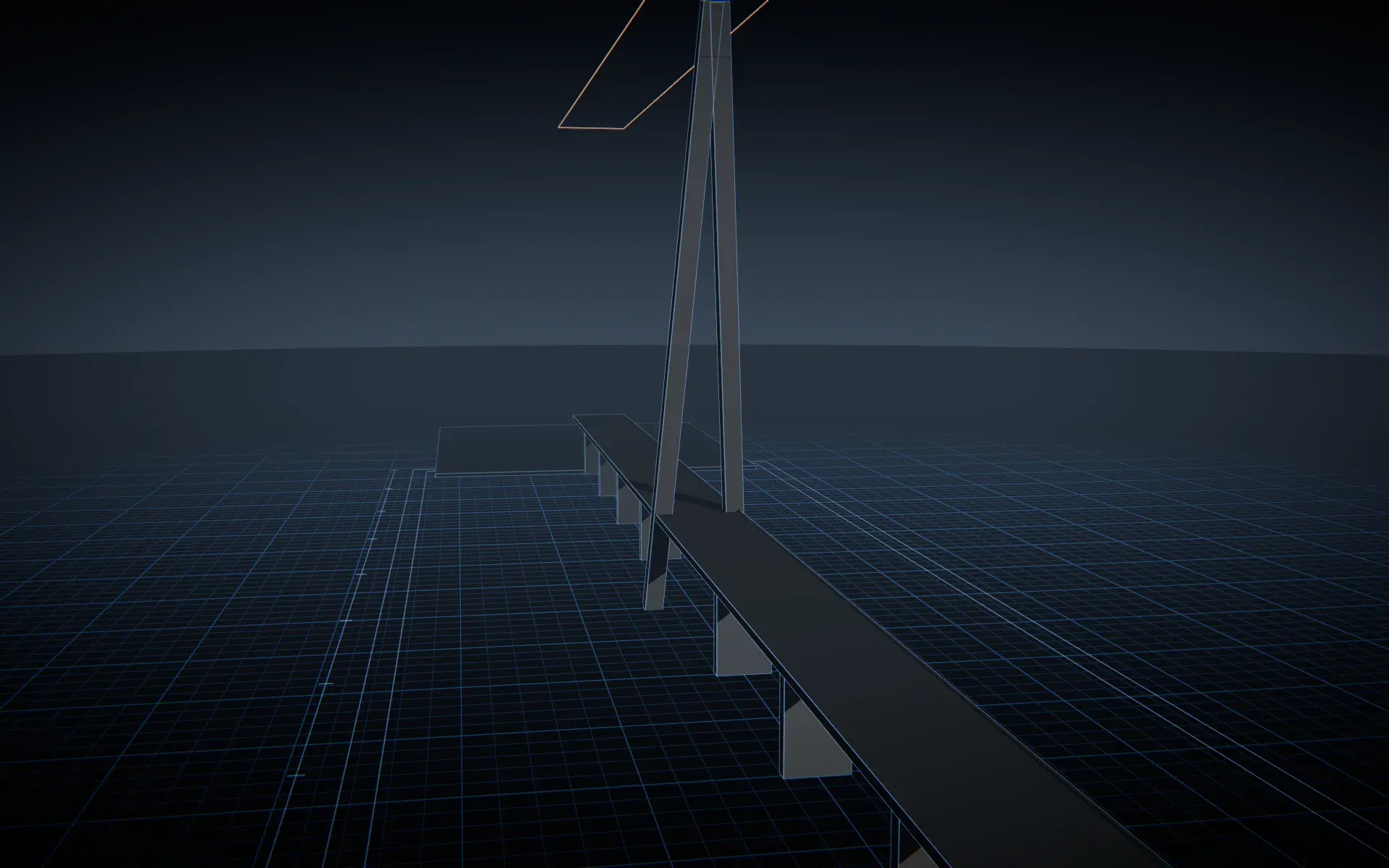
Much of Kuwait’s coastline sits on sabkha — salt flats with a high water table rich in chlorides and sulphates. For concrete, it is one of the most aggressive environments in the world.
Understand the ground first
Every coastal project starts with a thorough geotechnical and chemical investigation. We need to know not only bearing capacity, but groundwater levels, their seasonal variation and the concentration of aggressive salts.
Specify concrete for the exposure
Low water-cement ratios, blended cements with slag or silica fume, and increased cover to reinforcement all slow the penetration of chlorides. In the splash zone of the Khiran bridge we went further, using stainless reinforcement where replacement would be impossible.
Protect what is buried
Foundations are hard to inspect and harder to repair. Tanking membranes, protection boards and careful detailing at joints keep water away from the structure for decades.
Designing for durability adds a few percent to the cost of a structure. Repairing corrosion damage later can cost many times more — and it always happens at the worst moment.